Beginner's Guide to Starting a Fruit Farm in Kenya
A practical, step-by-step roadmap for new farmers — from picking the right site to planting your first grafted seedling and keeping it alive.
Published 5 May 2026
Starting a fruit farm is one of the smartest long-term investments a Kenyan landowner can make. Unlike maize or vegetables, fruit trees keep producing for 15–40 years after a single planting. This guide walks you through every stage — from picking land to your first harvest.
1. Site selection
The site decides the success of your orchard. Look at altitude, rainfall, soil depth and access to water before you buy or plant on land you already own.
- Soil: deep, well-drained loam at least 1 m deep. Avoid waterlogged or rocky shallow soils.
- Water: a permanent water source within 500 m is ideal — borehole, river or large tank.
- Slope: gentle slopes (under 15%) make irrigation and harvesting easier.
- Access: a passable road for trucks during the rainy season protects your harvest.
2. Land preparation
Clear the land, plough deep (at least 30 cm), and harrow. Mark planting holes using a line and pegs at the correct spacing — 5×5 m for avocado and mango, 3×3 m for citrus, 2×2 m for passion fruit.
Dig holes 60×60×60 cm at least one month before planting. Separate topsoil from subsoil. Mix topsoil with 1 debe (20 kg) of well-rotted manure and 100 g of DAP fertiliser, then return it to the hole.
3. Choosing the right seedlings
This is where most farmers lose money — cheap, ungrafted seedlings cost less today but fruit later, give smaller harvests, and don't stay true to variety. Always insist on certified grafted seedlings from a trusted nursery.
- Straight, single stem with a clear graft union 15–25 cm above the soil.
- Healthy dark-green leaves, no spots or curling.
- Roots filling the bag but not coiled.
- Hardened off — used to direct sun, not just shade-grown.
4. Planting
Plant at the start of the long rains for the best survival rate. Slit the polythene bag carefully and lower the seedling into the hole so the graft union sits well above ground. Firm the soil and water immediately with 10–20 litres.
5. Irrigation
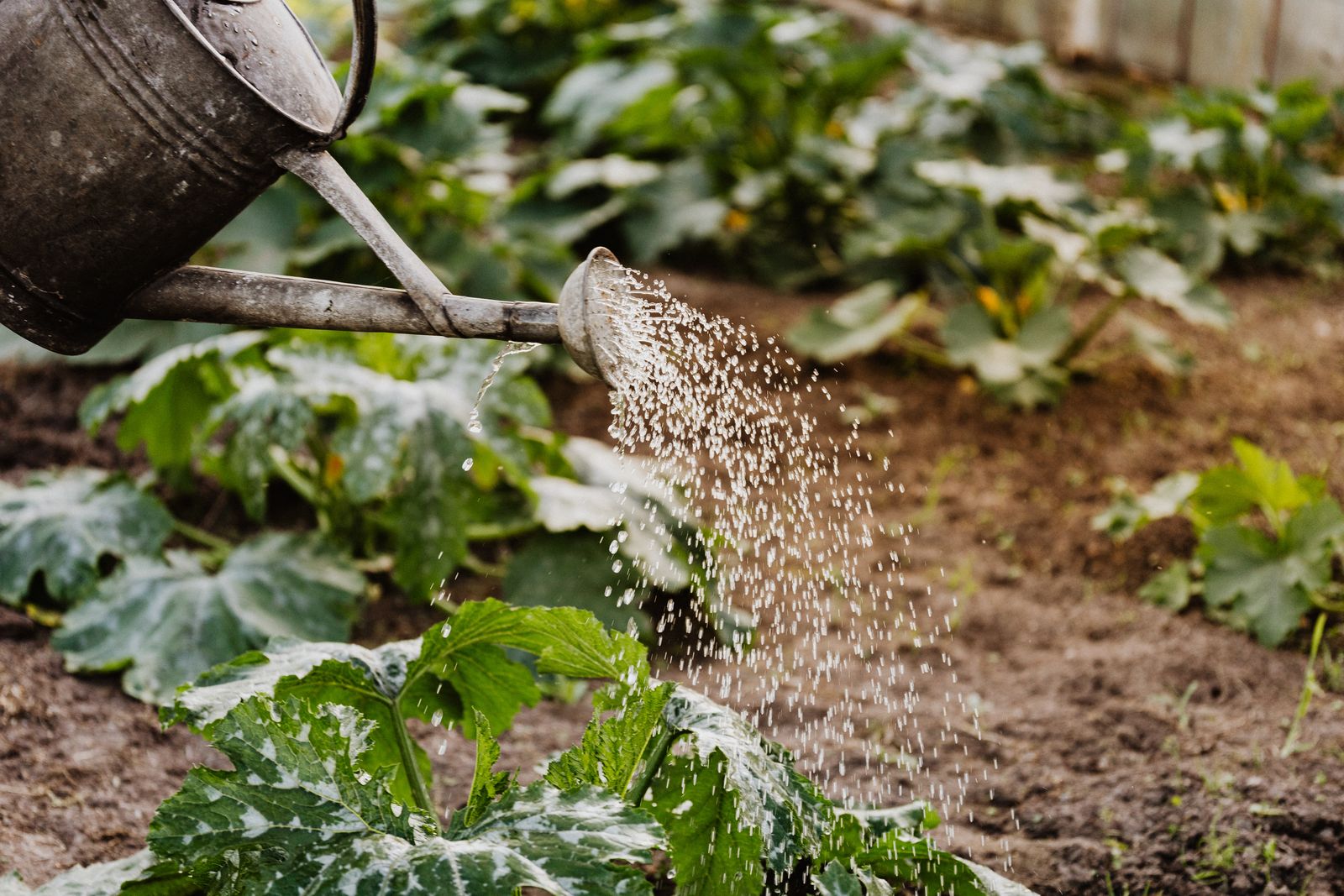
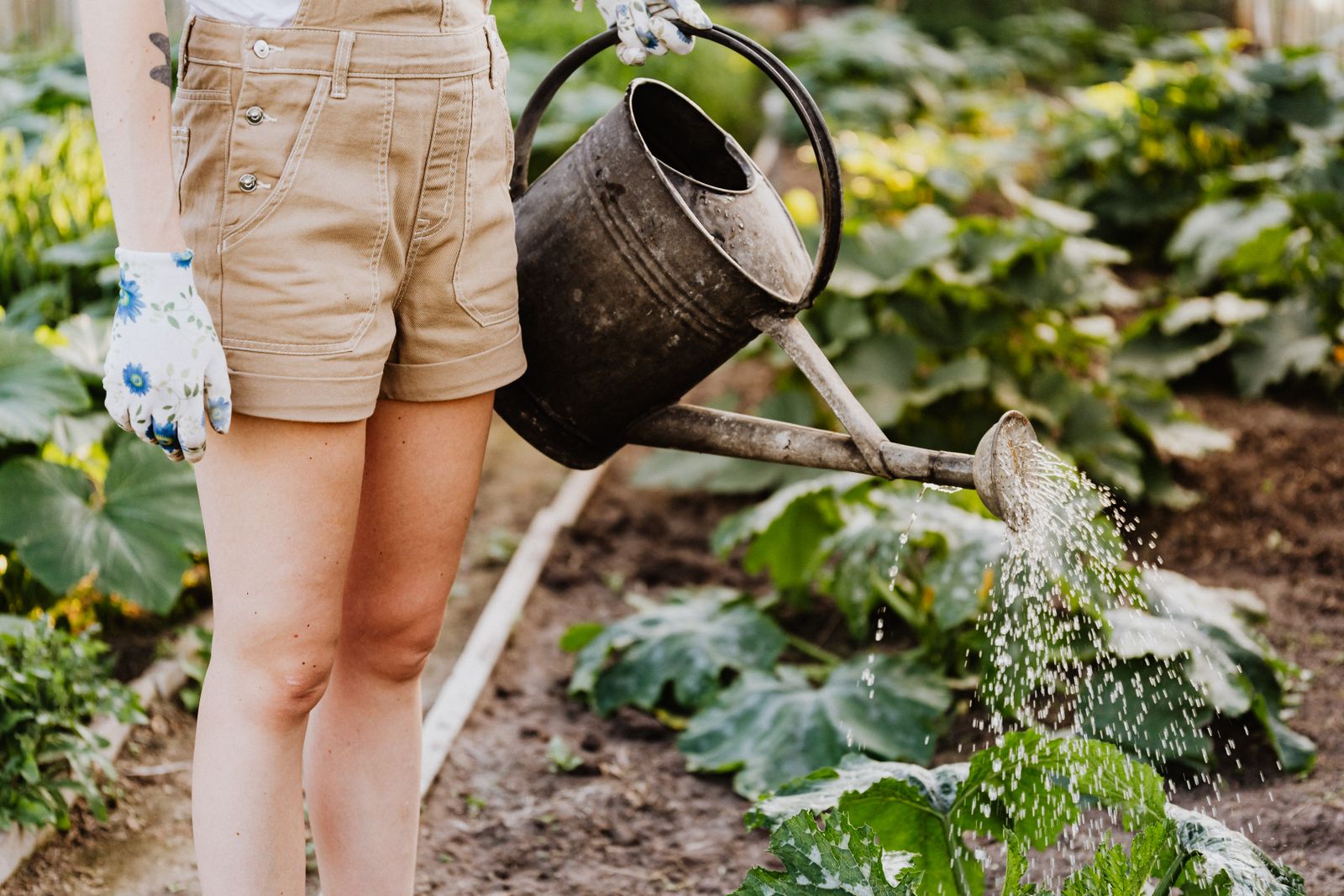
Young trees need 20 litres of water twice a week for the first three months, then once a week until established. Drip irrigation is the most efficient system and cuts water use by up to 60% compared to basin watering.
6. Maintenance
- Mulch around each tree with grass or coffee husks to keep moisture in.
- Weed in a 1 m circle around each seedling for the first two years.
- Train and prune for an open-centre shape so sunlight reaches every branch.
- Scout weekly for pests — early action with neem or approved pesticides saves the season.
- Top-dress with CAN or NPK twice a year, guided by a soil test.
A fruit tree planted well in year one fruits twice as much in year five. Take your time at the start.