Why Grafted Fruit Seedlings Produce Faster and Better Yields
Grafting is the single biggest reason modern orchards out-produce traditional ones. Here's exactly how it works and why it matters for your farm.
Published 28 April 2026
If you've ever planted a mango from a seed and waited seven years for a small, sour fruit, you already know the problem with ordinary seedlings. Grafting solves it.
What is grafting?
Grafting joins a stem (the scion) from a proven, high-yielding mother tree onto a hardy rootstock. The new tree inherits the rootstock's strong roots and disease resistance, plus the scion's fruit quality and early bearing.
1. They fruit much faster
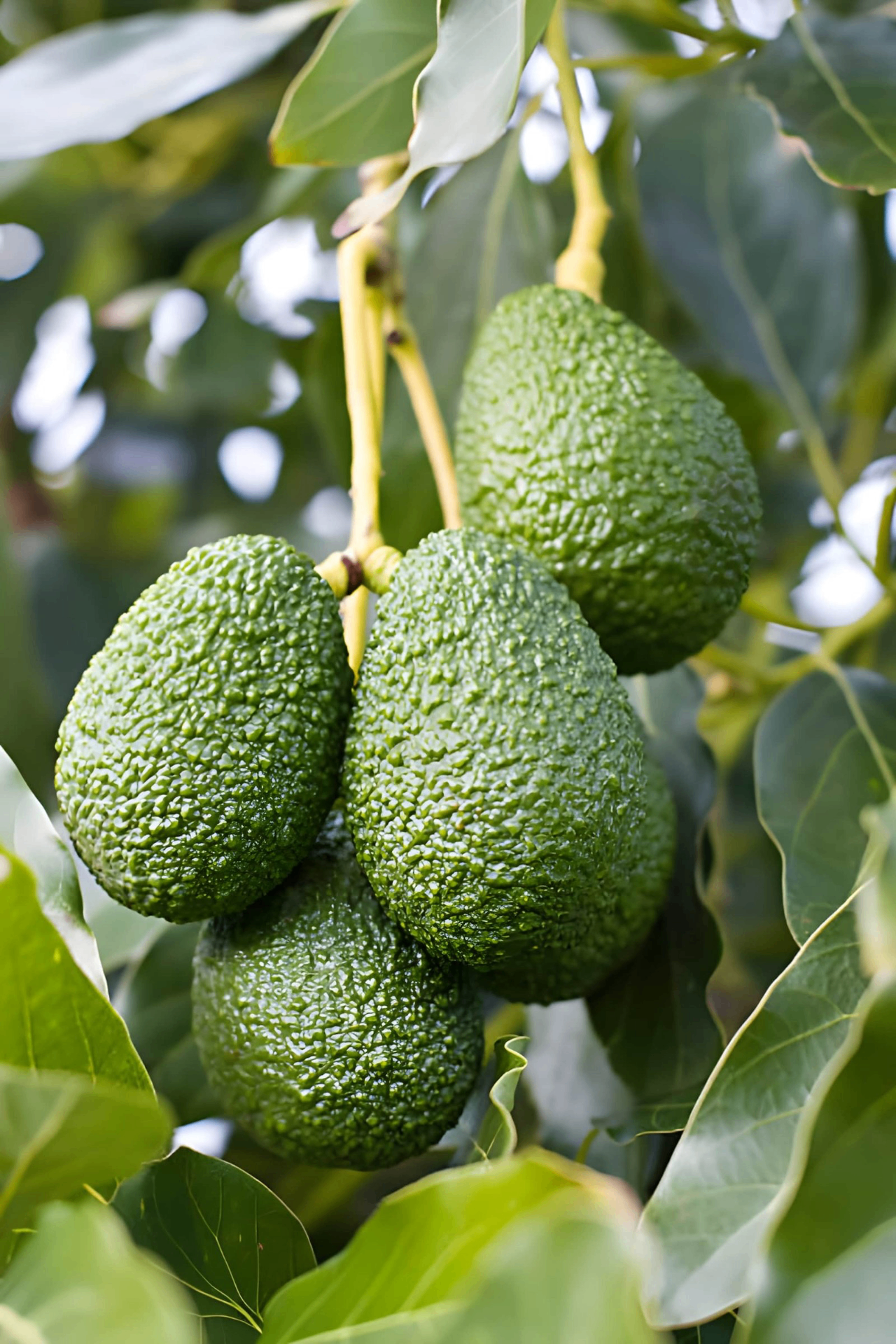
A grafted Hass avocado fruits in 2–3 years; a seedling avocado takes 7–10. Grafted apple, mango and citrus follow the same rule — you skip the long juvenile phase entirely.
2. The fruit is true to variety
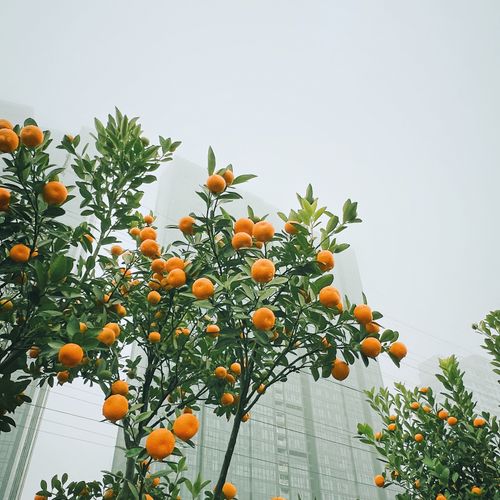
Seeds rarely produce a copy of the parent. A grafted seedling is genetically identical to the mother tree, so a Hass stays Hass and a Pixie stays Pixie — exactly what the market is paying for.
3. Higher, more consistent yields
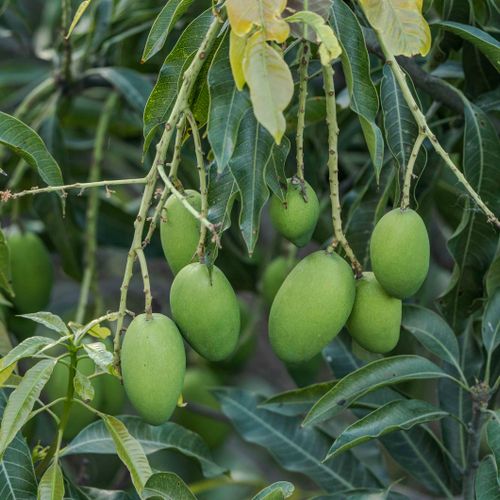
Grafted trees are bred for productivity. Where a seedling mango might give 100 fruits, a grafted Apple Mango can give 400–500 of larger, sweeter, uniform fruit.
4. Disease resistance and hardiness
Rootstocks are chosen for tolerance to soil pests, drought and root diseases. This is why grafted citrus survives where ungrafted seedlings collapse from gummosis.
5. Easier orchard management
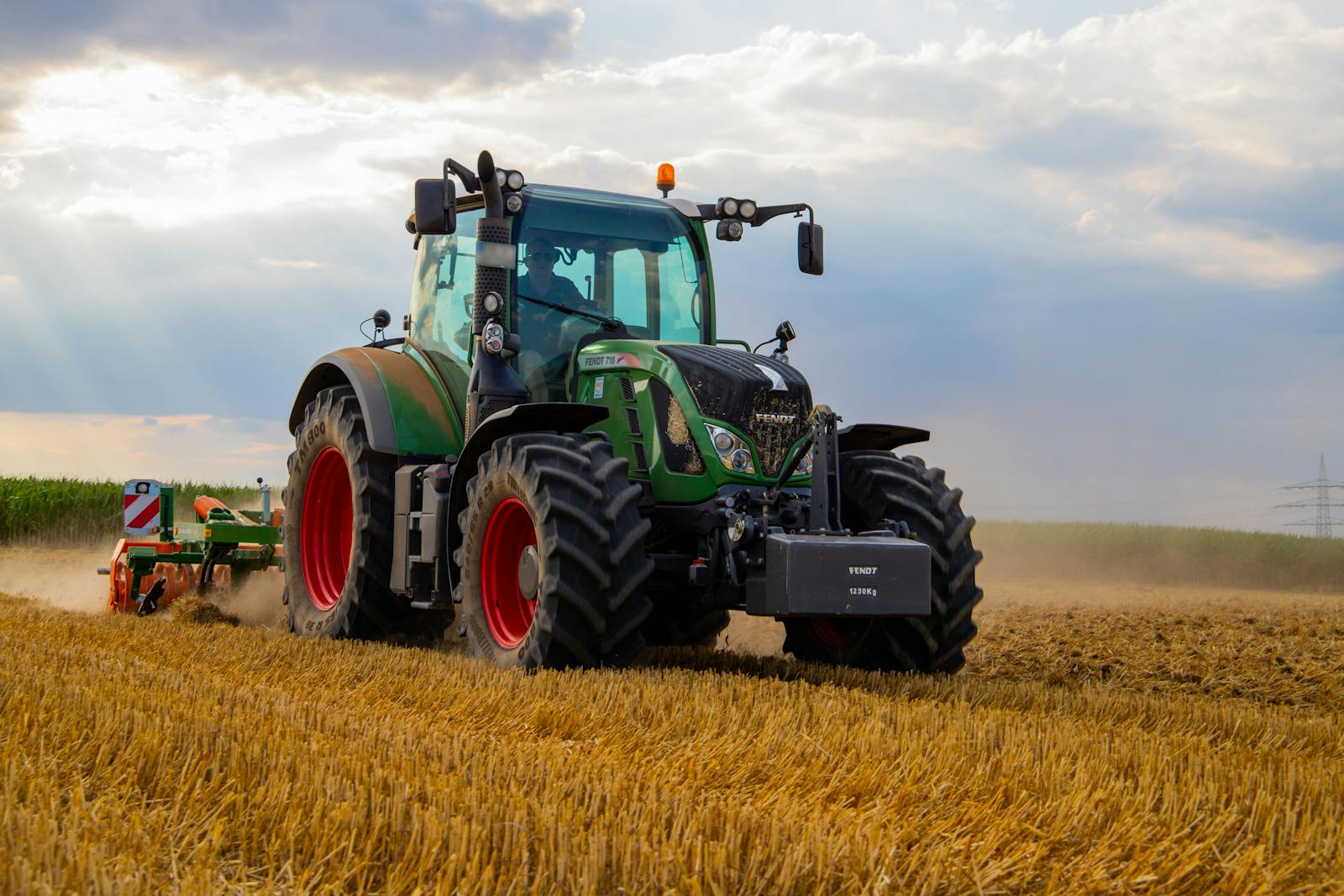
Grafted trees stay shorter and uniform, making spraying, pruning and harvesting safer and cheaper.